Celebrate Summer Vegetables
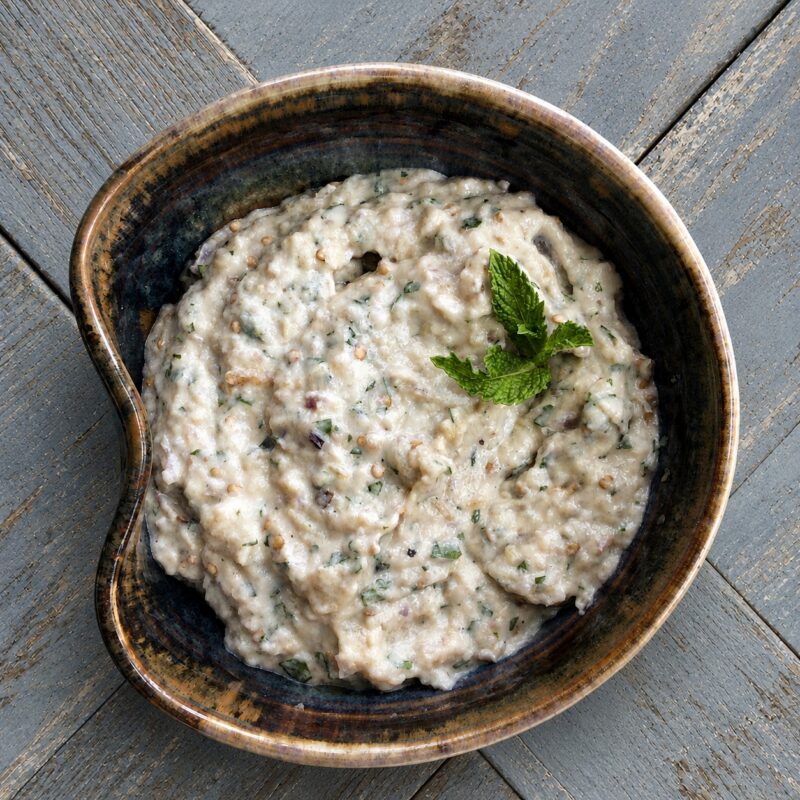
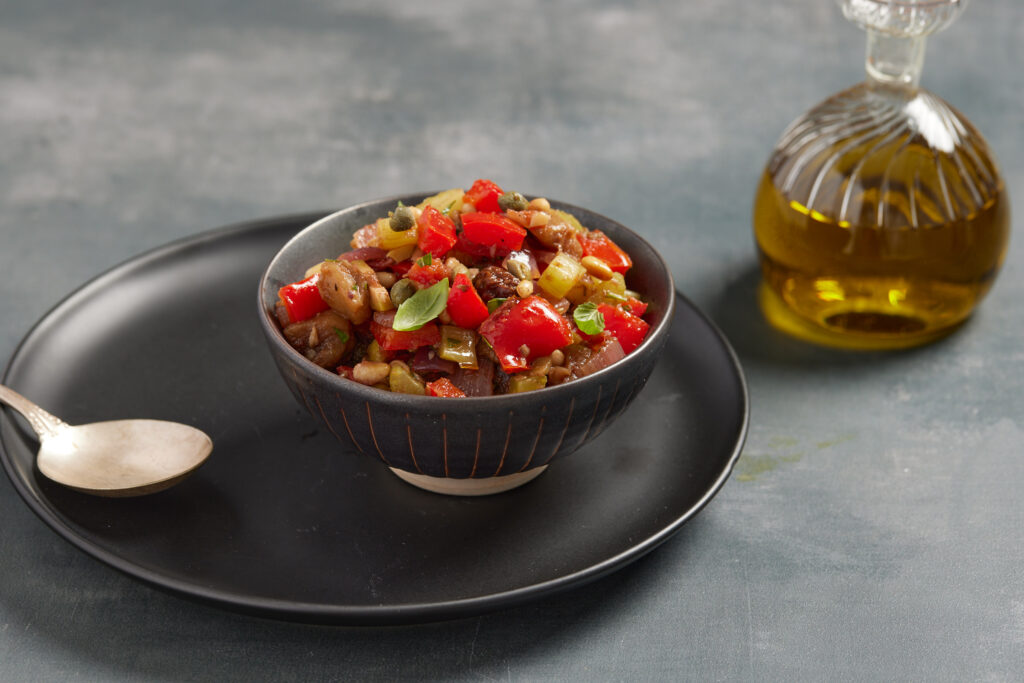
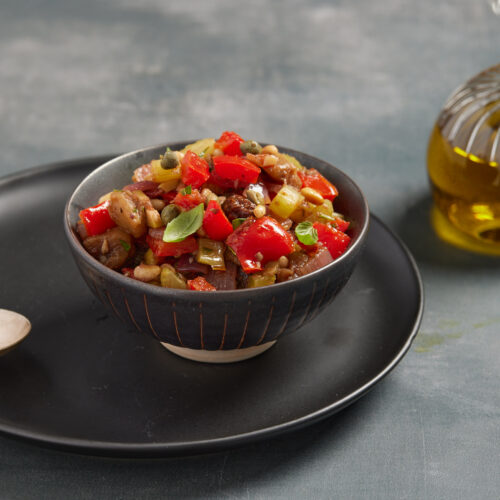
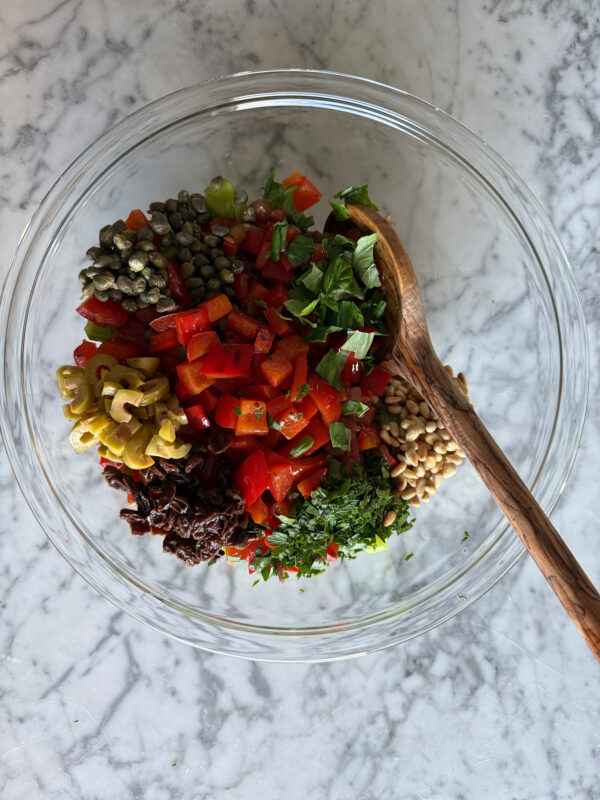
Sicilian Caponata is one of my favorite ways to celebrate summer vegetables. Eggplant, tomatoes, red peppers and celery are cooked separately so each ingredient keeps its own flavor and texture, then tossed with briny capers and olives, toasted pine nuts, sweet raisins and fresh herbs.
What makes caponata so irresistible is its agrodolce character—that distinctly Sicilian balance of sweet and sour. Red wine vinegar brings brightness and acidity, while raisins and just a touch of sugar soften the edges. A final drizzle of fruity extra-virgin olive oil brings everything together.
Serve it at room temperature with grilled crusty Italian bread, spoon it onto crostini for an antipasto, or pair it with grilled or seared seafood. It’s even better after the flavors have had some time to mingle.
Photo credit: Stacey Adams Photography
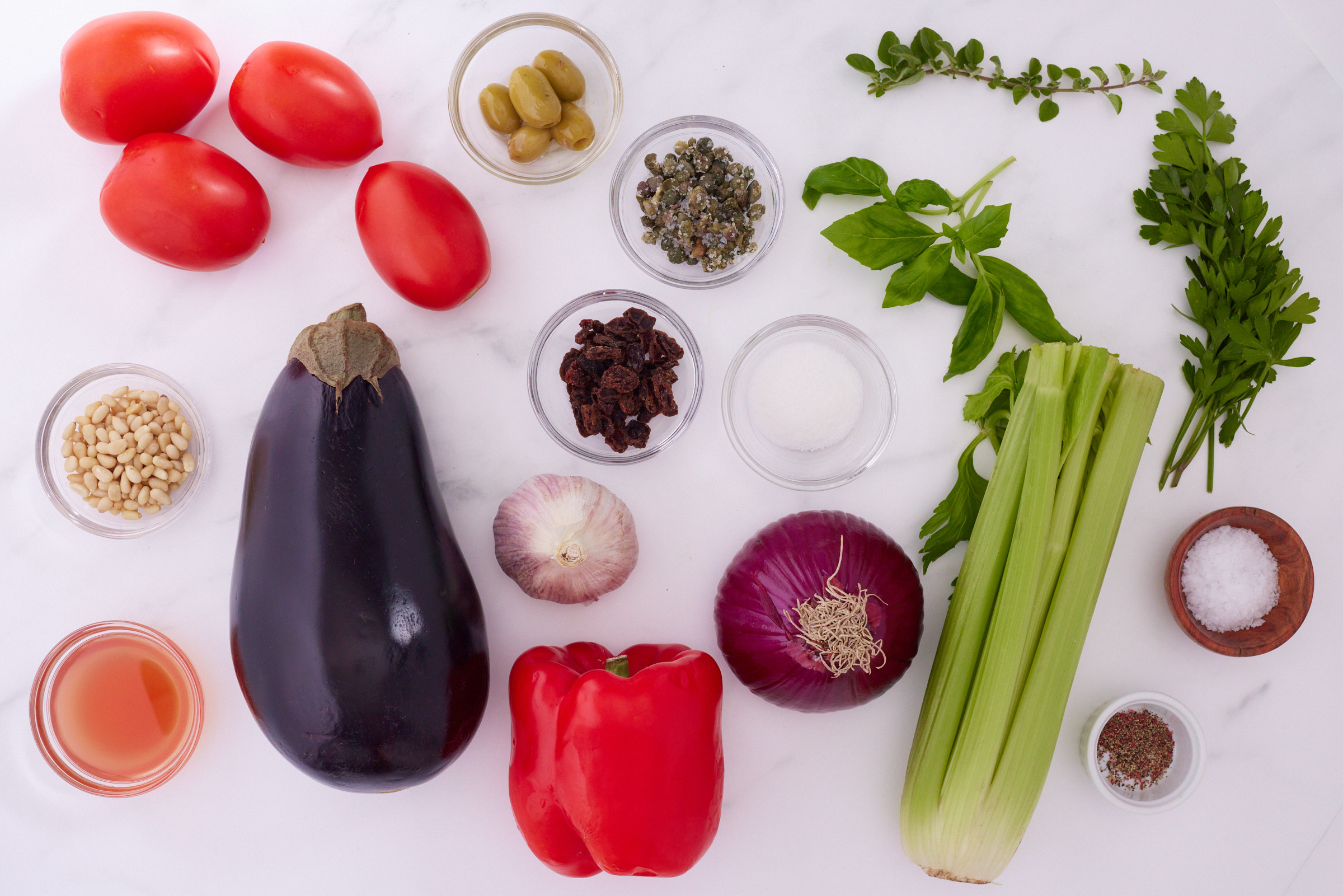
Ingredients
What Is Agrodolce?
Agrodolce literally means “sour-sweet” in Italian, and that balance is at the heart of Sicilian caponata.
In this recipe, red wine vinegar supplies the acidity while raisins and a small amount of sugar provide sweetness. Capers and green olives add salinity, and extra-virgin olive oil rounds everything out.
Taste your caponata before serving. You shouldn’t taste vinegar, sugar or salt independently. The goal is balance. If one element dominates, adjust the others until the flavors come together.
The Secret to Better Caponata:
Cook the Vegetables Separately
Photo credit: Stacey Adams Photography
It takes a little more time, but this is one step I wouldn’t skip.
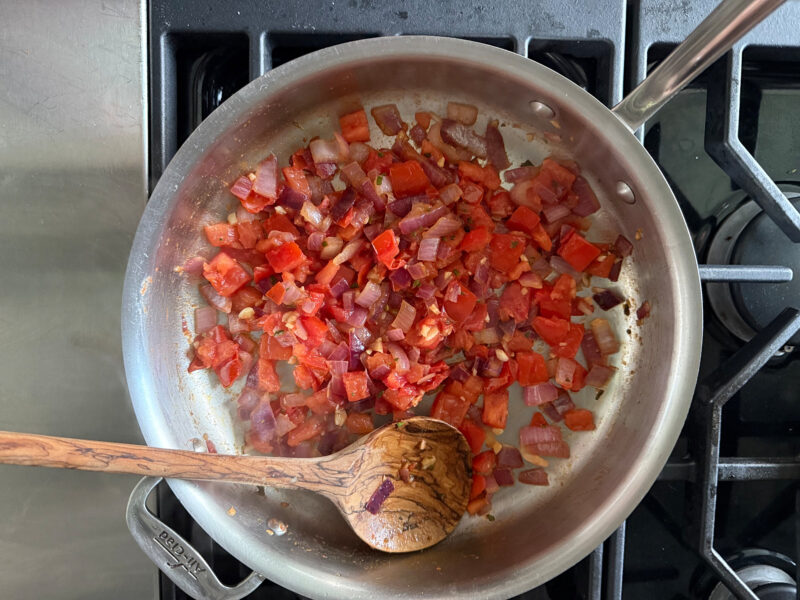
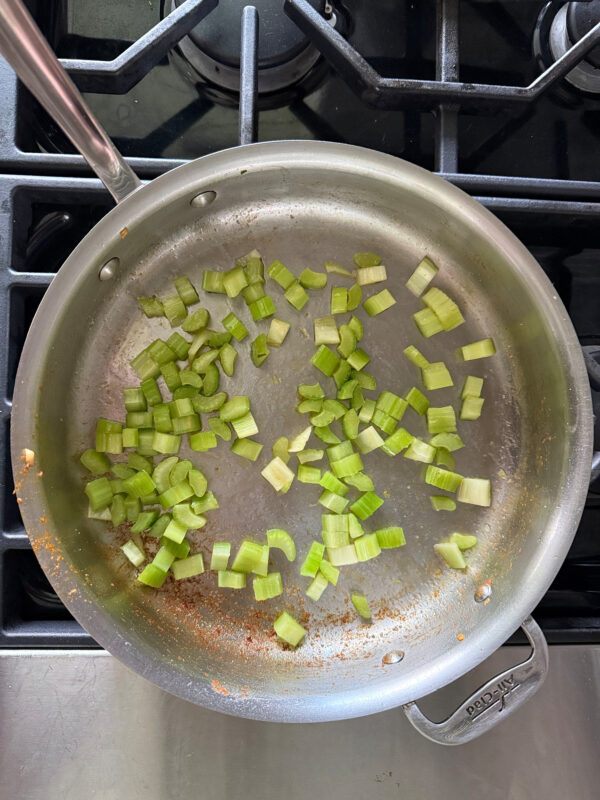
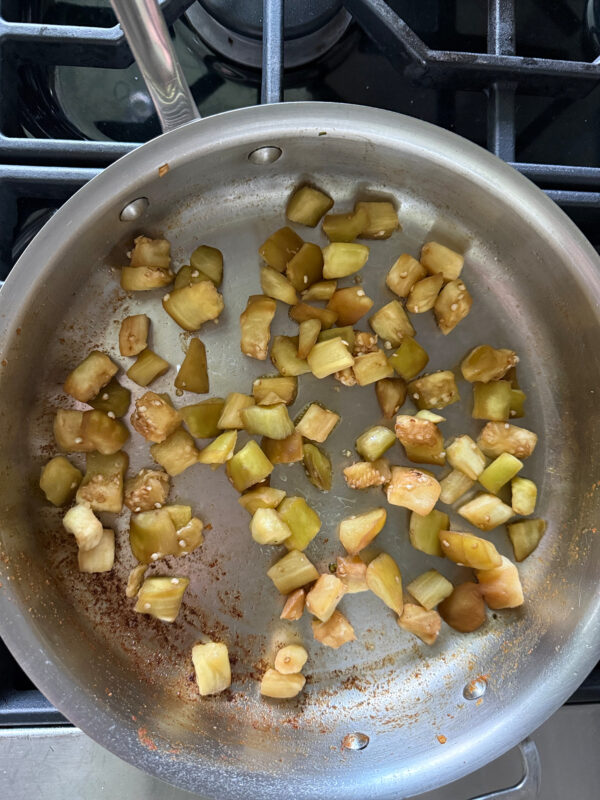
Rather than adding all the vegetables to one pan and cooking them together, cook the tomatoes, celery, peppers and eggplant individually before combining them.
This gives you much more control over texture. I particularly like my celery to retain some crunch, while the eggplant should be tender and beautifully browned.
As each vegetable finishes cooking, add it to a large bowl. Once everything is cooked, the capers, olives, raisins, pine nuts, vinegar, herbs and seasonings are tossed in while the vegetables are still warm.
Don't Skip Salting the Eggplant
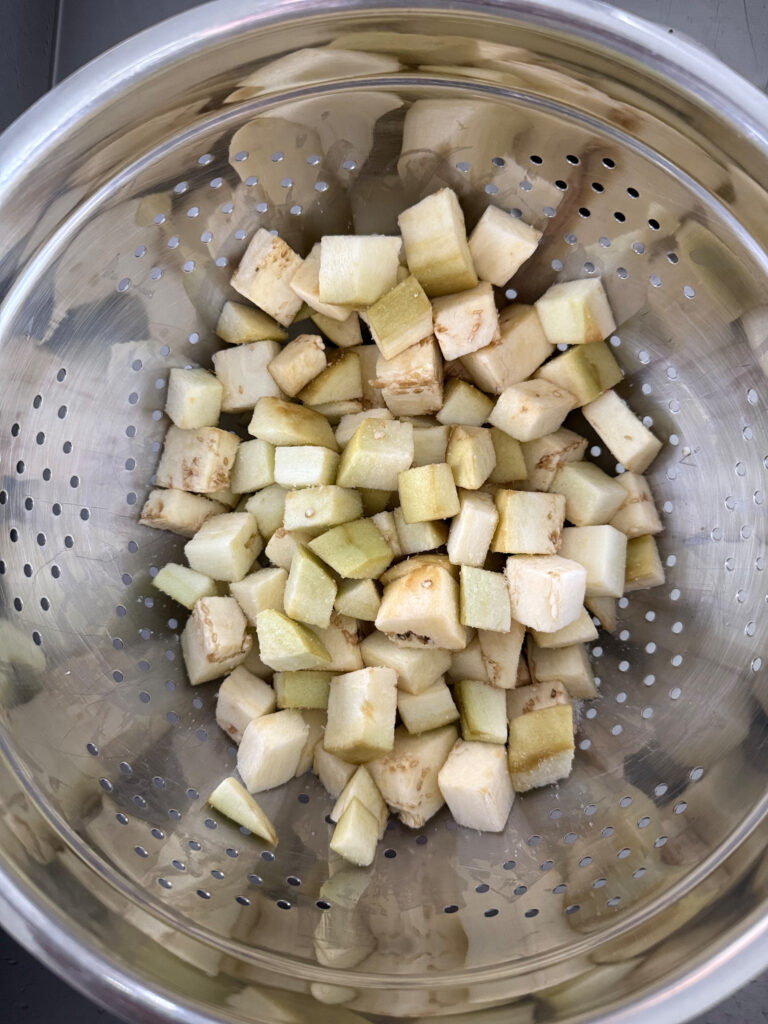
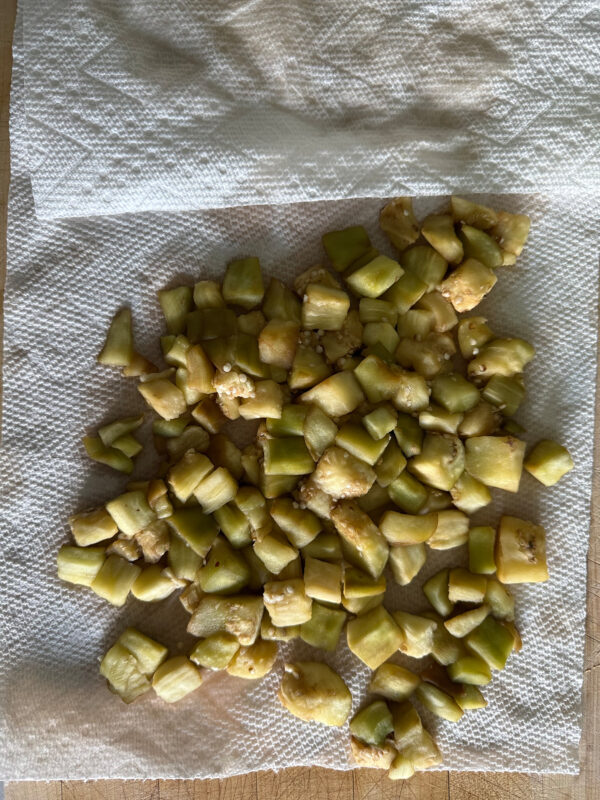
Before cooking, toss the chopped eggplant with kosher salt and let it sit in a colander for 20–30 minutes. Squeeze out the excess moisture and thoroughly pat it dry before it goes into the skillet.
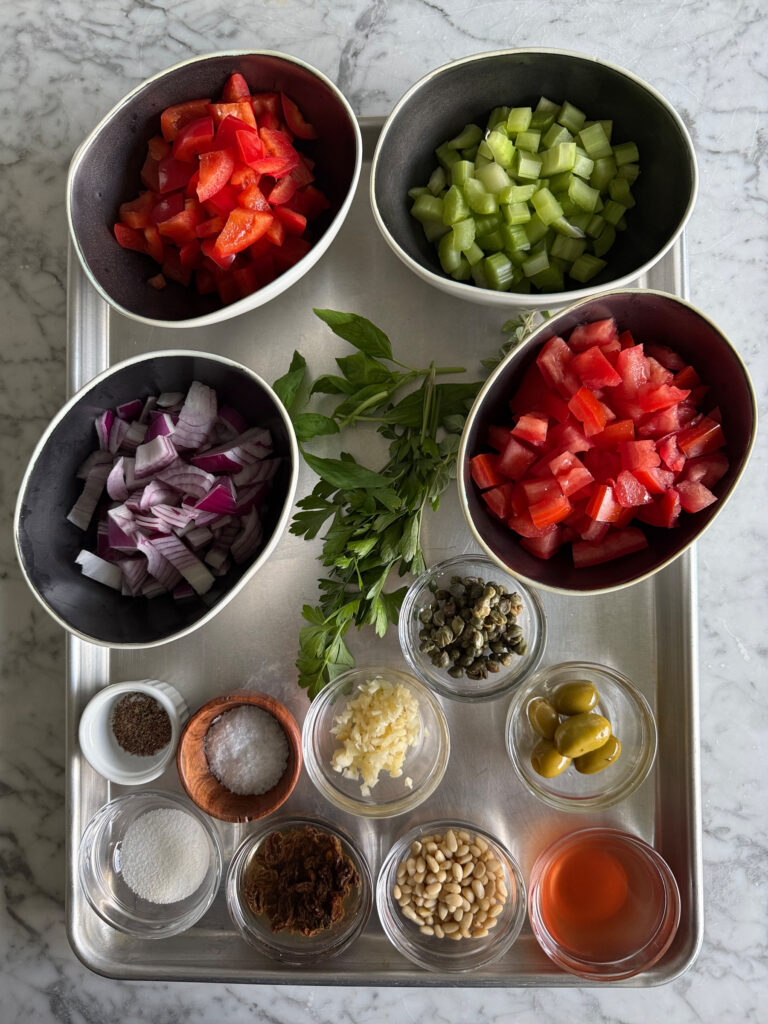
Conveniently, that resting time gives you about the right amount of time to chop and organize the remaining ingredients.
And this is a recipe where mise en place really matters. Once you begin cooking, the individual batches move fairly quickly.
Capers and Olives
Both bring essential briny character to caponata, but their salt levels can vary enormously.
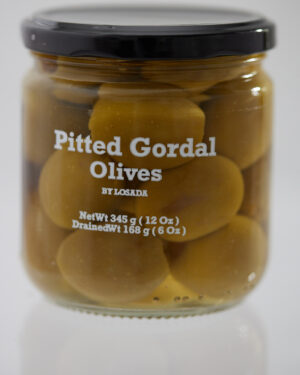
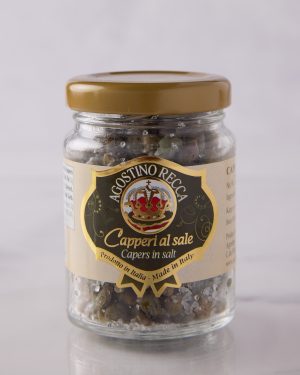
If you’re using salt-packed capers, soak them in water for at least five minutes and rinse them thoroughly before adding them. Any good-quality pitted green olive packed in brine or oil will work beautifully.
Because the capers and olives contribute salt to the finished dish, wait until everything has been combined before making your final seasoning adjustment.
How to Serve Sicilian Caponata
I think caponata is at its best served at room temperature, when all of its flavors are easy to taste.
Serve it with grilled crusty Italian bread drizzled with extra-virgin olive oil for a simple antipasto or light meal. Spoon smaller portions onto crostini for entertaining, or serve it alongside grilled or seared seafood.
It’s also the kind of dish that invites experimentation. Seasonal vegetables can change, olives can change, and you can adjust the sweet-sour balance to your own palate. The important thing is preserving that wonderful interplay of salty, sweet, tart and fruity flavors.
Why You’ll Love This Sicilian Caponata
This isn’t simply sautéed eggplant with a few vegetables added to it. Cooking the vegetables separately allows the eggplant to brown, the peppers to develop sweetness and the celery to retain a little crunch rather than everything becoming soft at once.
The result is a caponata with layers of flavor and texture in every bite—creamy eggplant, sweet tomato and pepper, crisp celery, salty capers and olives, chewy raisins and buttery toasted pine nuts.
And because caponata is served at room temperature, it is an especially wonderful dish for entertaining. Make it ahead, let the flavors develop, and bring it to the table when you’re ready.
Chef's Tips
- Have your mise en place ready. Once you start cooking the individual vegetables, the recipe moves quickly. Use the time while the eggplant is draining to prep everything else.
- Season at the end. Capers and olives can contribute quite a bit of salt, so wait until everything is combined before deciding whether the caponata needs more.
- Let it rest. Caponata is even better after the sweet, tart, salty and savory flavors have had time to mingle. Serve it at room temperature rather than straight from the refrigerator.
- Taste for balance, not sweetness. The vinegar, raisins and touch of sugar should create a subtle agrodolce character. If you distinctly taste “sweet” or “vinegary,” adjust until neither dominates.
Wine Pairing
Sauvignon Blanc — Its crisp acidity and fresh citrus and herbal notes are a delicious match for the sweet-and-sour flavors of the caponata. Serve it well chilled alongside the caponata with grilled Italian bread for an easy summer appetizer or light meal.
Frequently Asked Questions
Can I make this ahead of time?
Yes. Caponata is particularly well suited to making ahead because giving the ingredients time together allows the flavors to mingle. Bring it back to room temperature before serving and taste it again—you may want a final drizzle of good extra-virgin olive oil before it goes to the table.
Can I freeze it?
Yes, caponata can be frozen, although the vegetables will be somewhat softer after thawing. Freeze completely cooled caponata in an airtight container, then thaw overnight in the refrigerator. Bring it to room temperature before serving and refresh the flavors with a drizzle of extra-virgin olive oil and, if needed, a splash of red wine vinegar.
How long does Sicilian caponata keep?
Store Sicilian caponata in an airtight container in the refrigerator for 3–4 days. The flavors actually improve after a little time to mingle. Bring it to room temperature before serving and refresh with a drizzle of extra-virgin olive oil if needed.
Recommended products for this recipe
Love this recipe?
Stop by Tastings Gourmet Market in Annapolis for the specialty ingredients that make it even better. We’re always happy to help you find substitutions, wine pairings, and new products to inspire your next meal.